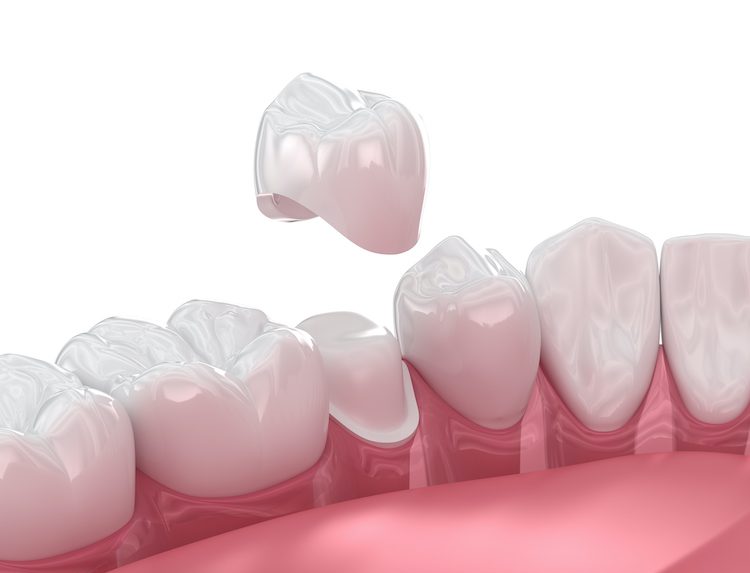
You’ve just gotten a dental crown, a custom-made cap that fits right over your tooth. Think of it like a super-strong helmet for a tooth that’s been damaged, weakened, or had a large filling. This is a big step toward saving your natural tooth and getting your smile back! A crown is built to last for many, many years. But just like anything valuable, it needs the right kind of care to stay in perfect shape.
This guide will walk you through everything you need to know, from the first few days after your appointment to your daily routine for the long haul. By following these simple steps, you can make sure your crown stays comfortable, looks great, and protects your tooth for as long as possible.
Your Guide to Caring for Your New Dental Crown
Part 1: The First Few Days
Right after your procedure, it’s completely normal to feel a little different. Your mouth just went through a careful process, and it needs a short time to adjust.
- Feeling Sensitive? It’s common to have some sensitivity, especially to hot or cold foods and drinks. The tooth underneath might be a little tender, and your gums around it could feel sensitive. This usually gets much better within a week. In the meantime, try using toothpaste made for sensitive teeth, and let very hot soups or icy drinks sit for a moment before enjoying them.
- Check Your Bite: When you bite down, does everything feel even, or does the crowned tooth feel like it’s hitting first? If your bite feels “high” or uneven, don’t ignore it! Call our office. A quick, simple adjustment by Dr. Stephen Hoard can fix this and prevent jaw soreness or extra wear on your crown.
- Be Gentle with Your Food: For the first couple of days, it’s smart to treat that side of your mouth with care. Stick to softer foods like pasta, yogurt, scrambled eggs, and smoothies. Try to chew mostly on the opposite side. Avoid anything super sticky or extremely hard. These can put too much pressure on your new crown while everything is settling in.
Part 2: Your Daily Routine
Just because the crown itself can’t get a cavity doesn’t mean you can forget about it. The most important part of crown care is protecting the real tooth underneath and the gums that hold everything in place. Plaque and bacteria love to hide at the spot where the crown meets your gum.
- Brushing: Brush your crowned tooth just like all your others, twice a day. Use a soft-bristled toothbrush and gentle, circular motions. Be extra thorough along the gumline where the crown meets your natural tooth to sweep away plaque.
- Flossing (The Right Way): Yes, you absolutely need to floss around your crown! This is key for preventing gum disease. Slide the floss down between your teeth, then curve it into a “C” shape to hug the side of the crowned tooth. Gently move the floss up and down, then carefully slide it out. Don’t snap the floss straight down, as this could catch on the edge. If you find flossing tricky, ask us about other tools like a water flosser or soft interdental brushes, which can be very effective.
- Rinsing for Gum Health: If your gums feel a bit tender after the procedure, a warm saltwater rinse (mix ½ teaspoon of salt in a glass of warm water) can be very soothing. Your dentist might also recommend an antibacterial mouthwash to keep your gums healthy during the initial healing period.
Part 3: Long-Term Habits
Your crown is made from tough stuff like porcelain or ceramic, but it’s not indestructible. Your daily habits play a huge role in its lifespan.
- Break the Bad Habits: Never use your teeth as tools to open packages, bite fingernails, or tear tags. Chewing on ice, pens, or hard objects can chip or crack even the strongest dental crown.
- Do You Grind or Clench? Many people grind their teeth at night without even knowing it. This constant pressure is one of the top reasons crowns can wear down or become loose over time. If you wake up with a sore jaw or headaches, or if your partner hears you grinding, tell us! A custom-made night guard is a simple, comfortable solution that protects your crown and all your natural teeth while you sleep.
- See Your Dentist Regularly: Don’t skip your check-ups and cleanings every six months! This is our chance to make sure your crown is still fitting perfectly, check the health of your gums around it, and clean those hard-to-reach spots. We can spot tiny issues before they become big problems.
A Crown is a Partnership for a Healthier Smile
Getting a dental crown is a team effort. We provide the expert care and high-quality restoration, and you provide the excellent daily care at home. Together, we can ensure your crowned tooth stays healthy, functional, and beautiful for a decade or longer.
At our Ardmore dental practice, our entire team are here to support you. If you ever have questions about your crown, notice anything that doesn’t feel right, or it’s just time for your regular cleaning, please give us a call at (610) 839-8967. You can also request a consultation online. We’re committed to helping you maintain a healthy smile for life.