Gum disease, also known as periodontal disease, is a common yet preventable condition that affects the soft tissue and bone supporting the teeth. Left untreated, it can lead to tooth loss and has even been linked to other health issues such as heart disease and diabetes. Fortunately, with a few consistent habits and some awareness, you can keep your gums healthy for life.
Brush Thoroughly and Consistently
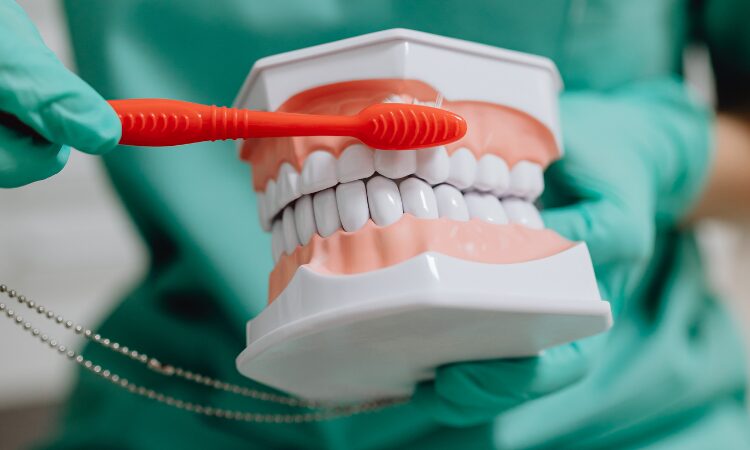
One of the most effective ways to prevent gum disease is by brushing your teeth at least twice a day. Brushing helps remove plaque, a sticky film of bacteria that forms on your teeth and gums. If plaque isn’t removed, it can harden into tartar, which can only be removed by a dental professional. Use a soft-bristled toothbrush and fluoride toothpaste, and make sure you’re brushing for a full two minutes each time. Pay special attention to the gumline, as that’s where bacteria tend to gather.
Don’t Skip Flossing
While brushing is important, it only reaches about 60% of your tooth surfaces. Flossing picks up the slack by cleaning between your teeth and under the gumline where a toothbrush can’t reach. Daily flossing removes trapped food particles and plaque that can cause gum inflammation and bleeding. If traditional floss is difficult to use, try dental picks, water flossers, or interdental brushes as effective alternatives.
Schedule Regular Dental Checkups
Professional dental cleanings and exams are essential for maintaining gum health. Dentists and dental hygienists can remove tartar buildup and spot early signs of gum disease before they become serious problems. Most people benefit from cleanings every six months, but your dentist may recommend more frequent visits depending on your oral health status. These appointments also provide an opportunity to get personalized advice on your oral hygiene routine.
Watch Your Diet
What you eat plays a significant role in your oral health. A diet high in sugar and refined carbohydrates feeds the bacteria in your mouth, increasing the risk of plaque formation and gum disease. Focus on a balanced diet rich in fruits, vegetables, lean proteins, and whole grains. Foods high in vitamin C, such as oranges, strawberries, and leafy greens, can help boost your immune system and strengthen your gums. Drinking plenty of water throughout the day also helps wash away food particles and bacteria.
Quit Smoking
Smoking is one of the most significant risk factors for gum disease. It weakens your immune system, making it harder to fight off infections and heal from gum damage. Smokers are more likely to develop periodontal disease and less likely to respond well to treatment. If you smoke, quitting could dramatically improve both your gum health and overall well-being. Talk to your healthcare provider about resources and support for quitting.
Manage Stress and Health Conditions
Chronic stress and underlying health conditions like diabetes can weaken your immune system and increase your susceptibility to gum infections. Managing stress through relaxation techniques, exercise, and adequate sleep can benefit both your mental and oral health. If you have diabetes, maintaining good blood sugar control is especially important to reduce your risk of gum disease.
Be Aware of Early Signs
Gum disease often starts quietly and painlessly, but there are early warning signs to watch for. Red, swollen, or bleeding gums, persistent bad breath, and receding gums are all potential indicators of gum trouble. If you notice any of these symptoms, don’t wait. Schedule a dental visit as soon as possible. Early intervention could reverse gingivitis and prevent more serious conditions like periodontitis.
Gum Disease Treatment in Ardmore, PA
At Ardmore Family & Cosmetic Dentistry, we are dedicated to helping you preserve your oral health. With proper oral hygiene routines and regular dental cleanings, you could prevent and possibly even reverse gum disease. Contact our office today to schedule a consultation and learn more about how to care for your smile.